
Japanese outdoor lighting solar systems are more than just illumination; they’re a meticulous fusion of aesthetics, sustainability, and cultural heritage. This exploration delves into the intricate design principles, materials, and energy efficiency considerations behind these unique fixtures, highlighting their integration with traditional Japanese gardens and spaces.
From the subtle glow of lanterns to the strategic placement of solar panels, this in-depth look reveals the meticulous craftsmanship and mindful design choices embedded within Japanese outdoor solar lighting. We’ll examine the diverse types of fixtures, their construction, and the factors influencing energy efficiency.
Overview of Japanese Outdoor Lighting Solar
Japanese outdoor lighting, particularly in gardens and residential settings, reflects a deep-seated cultural appreciation for natural beauty and tranquility. This aesthetic sensibility, interwoven with the nation’s history and traditions, shapes the design and implementation of solar-powered lighting systems, creating a harmonious blend of functionality and artistry. The use of solar energy further emphasizes a commitment to sustainability and environmental consciousness.The minimalist approach in Japanese design often translates to subtle, integrated lighting solutions that enhance, rather than dominate, the surrounding environment.
Solar-powered options allow for flexible placement and adjustable intensity, enabling designers to create ambient lighting that complements the natural contours and features of gardens, patios, and walkways.
Aesthetic and Cultural Influences
Japanese aesthetics prioritize harmony with nature, known aswa*. This principle manifests in outdoor lighting design through the use of natural materials, such as bamboo, wood, and stone, and by employing lighting to highlight, rather than overwhelm, the existing landscape. The goal is to create a serene and inviting atmosphere, inviting contemplation and a sense of peace. Traditional Japanese gardens, often incorporating water features and carefully cultivated plants, are designed to evoke a sense of tranquility and spiritual connection.
Lighting plays a crucial role in emphasizing these elements, enhancing the beauty and depth of the space.
Key Characteristics of Solar-Powered Systems
Solar-powered lighting systems in Japanese outdoor spaces often prioritize low-profile design, blending seamlessly with the surroundings. The focus is on creating soft, diffused illumination rather than harsh, direct beams. This is accomplished through the use of LED lights, which consume less energy and provide a warm, inviting glow. Energy efficiency is a crucial consideration, aligning with the Japanese emphasis on sustainability.
Furthermore, solar-powered systems require minimal maintenance, reducing the need for frequent electrical connections and simplifying the overall installation process.
Types of Japanese Outdoor Solar Lighting
- Path Lighting: Solar-powered path lights, often crafted from bamboo or stone, are subtly integrated into walkways and pathways. These lights cast a gentle glow, guiding the way without disrupting the surrounding ambiance. Their design is often inspired by traditional Japanese lanterns, employing simple, elegant forms.
- Garden Spotlighting: These lights, often featuring small, solar-powered spotlights, are used to highlight specific plants, rocks, or water features. They employ a low-wattage approach to create soft accents, drawing the viewer’s eye to specific elements without detracting from the overall harmony of the garden. The positioning is crucial to create a dynamic and interesting visual effect, without disrupting the tranquility.
- Water Feature Illumination: Solar-powered lights are frequently integrated into water features, like ponds or waterfalls. Submerged or strategically placed lights enhance the reflective qualities of the water, creating an enchanting display that adds a sense of serenity to the environment. The warm glow of the lights enhances the beauty of the water at night, highlighting its movement and reflecting light.
Examples of Solar Lighting in Japanese Gardens
Several Japanese gardens around the world demonstrate the successful integration of solar-powered lighting. The use of solar energy in these gardens not only showcases the practicality of this technology but also aligns with the aesthetic principles of Japanese design. Examples often feature subtle, well-placed lights that highlight the beauty of the garden without detracting from the natural environment.
The gardens frequently incorporate a combination of path lighting, accent lighting, and water feature illumination, creating a serene and inviting atmosphere for visitors.
Types of Solar Outdoor Lighting
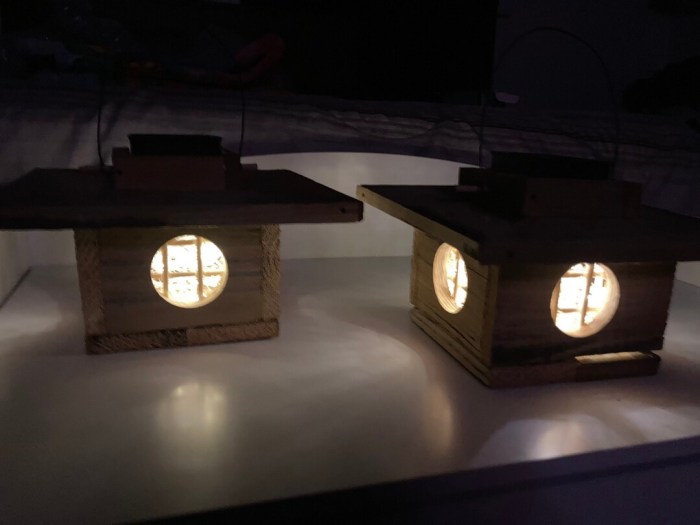
Japanese homeowners increasingly embrace solar-powered outdoor lighting for its environmental friendliness and cost-effectiveness. This growing trend necessitates understanding the diverse range of solar fixtures available, each with its own design, material, and functional characteristics. The variety caters to various aesthetic preferences, from minimalist designs to those reflecting traditional Japanese principles.
Solar Panel Types and Their Applications
Solar panels, the heart of any solar lighting system, come in various types, each impacting the system’s efficiency and cost. Polycrystalline panels are a common choice due to their affordability and generally good performance. Monocrystalline panels, though more expensive, offer higher efficiency, translating to potentially longer runtimes on a single charge. Thin-film panels are another option, particularly suitable for integration into decorative fixtures with a slimmer profile.
Fixture Design and Materials
Japanese outdoor spaces often prioritize harmony with the surrounding environment. This aesthetic consideration extends to lighting fixtures. Solar-powered fixtures can range from sleek, minimalist designs to more elaborate styles, incorporating traditional Japanese elements like bamboo or natural stone. Materials employed in the fixtures significantly impact durability and aesthetics. Durable aluminum alloys and weather-resistant plastics are common choices for their longevity and resistance to Japanese weather conditions.
Cast iron, often used in traditional Japanese garden design, can also be employed in solar fixtures for a unique aesthetic.
Functionality and Design Features
Different solar lighting fixtures cater to specific needs and environments. Path lights, strategically placed to illuminate walkways and gardens, are frequently used in Japanese landscapes. Wall-mounted fixtures, often integrated with Japanese-style architectural elements, provide focused illumination for homes and gardens. Floodlights, offering wider coverage, can highlight key features like trees or sculptures. Spotlights, precisely focusing light on particular objects, are employed to showcase decorative elements.
Motion sensors, frequently integrated into solar fixtures, enhance security and efficiency by activating lights only when needed. These sensors are particularly important in Japanese settings, where security is often prioritized.
Examples of Japanese-Inspired Solar Fixtures
Several fixtures demonstrate a blending of Japanese aesthetics and solar technology. A solar-powered lantern, incorporating a traditional Japanese lantern shape crafted from weather-resistant bamboo or wood, would seamlessly integrate into a Japanese garden. Similarly, a solar-powered wall sconce, designed with a minimalist, geometric pattern reflective of Japanese architectural style and featuring natural stone accents, would enhance a modern Japanese home’s exterior.
These examples illustrate the potential for creating beautiful and functional lighting solutions that respect Japanese design principles.
Materials and Construction
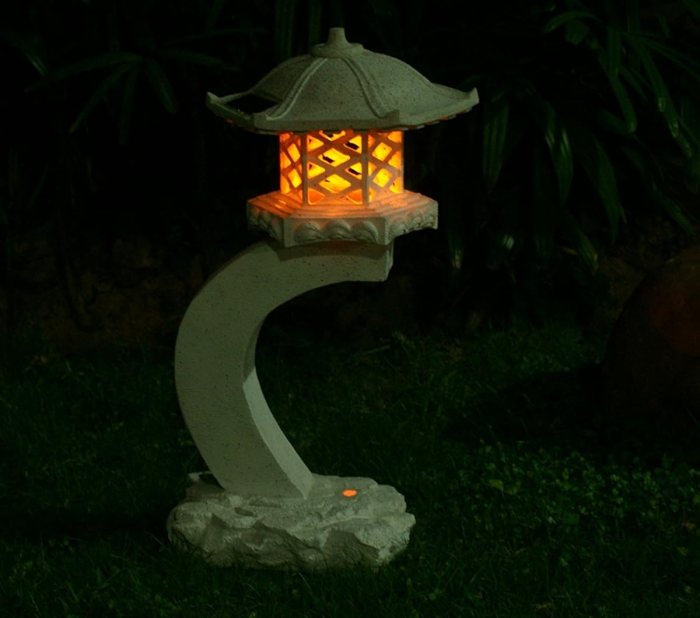
Japanese outdoor solar lighting fixtures, a testament to the country’s meticulous design ethos, prioritize both aesthetic appeal and robust performance. These fixtures often integrate seamlessly into the surrounding landscape, enhancing the natural beauty of gardens and outdoor spaces. This careful consideration of materials and construction ensures the longevity and visual harmony of these fixtures.
Material Selection for Durability
The materials chosen for Japanese outdoor solar lighting fixtures are meticulously selected for their durability, weather resistance, and aesthetic compatibility with traditional Japanese design principles. Aluminum, stainless steel, and high-quality cast iron are common choices, each possessing distinct properties that contribute to the fixture’s longevity. These metals are known for their resistance to corrosion and degradation in harsh outdoor environments.
Further, their ability to maintain their form and finish over extended periods is crucial.
Weather Resistance Considerations
Japanese outdoor lighting fixtures must withstand the diverse climate conditions. The fixtures are designed to resist rust, corrosion, and degradation from moisture, extreme temperatures, and UV radiation. Coatings and protective treatments are frequently applied to the metal components, extending their lifespan and maintaining their aesthetic appeal. The use of weather-resistant polymers or epoxy coatings on the housing components is also a prevalent practice.
This ensures the fixtures can endure the seasonal fluctuations of Japanese weather.
Aesthetic Considerations in Japanese Design
Japanese aesthetics emphasize natural harmony and understated elegance. The design of solar lighting fixtures reflects this philosophy, incorporating smooth lines, muted color palettes, and minimal ornamentation. Materials are often chosen for their natural beauty, allowing the light to be the primary focus. For example, the brushed finish on aluminum or the subtle patina on copper components subtly complements the surroundings.
The focus is on creating a sense of tranquility and harmony rather than ostentation.
Construction Methods for Longevity
Precise manufacturing techniques are employed to ensure the structural integrity and longevity of solar lighting fixtures. Welding, casting, and machining processes are carefully controlled to achieve high-quality joints and finishes. This precision in construction minimizes the risk of corrosion and damage, thereby extending the fixtures’ lifespan. Furthermore, robust mounting systems are integral to the construction, ensuring secure installation and resistance to wind and weather stresses.
The mounting systems are designed to be both aesthetically pleasing and secure.
Comparative Analysis of Materials
| Material | Durability | Cost-Effectiveness | Aesthetic Suitability |
|---|---|---|---|
| Aluminum | High | Medium | Versatile, clean lines |
| Stainless Steel | Very High | High | Modern, sleek, durable |
| Cast Iron | High | Medium | Traditional, robust, requires maintenance |
| Copper | High | High | Warm, natural tones, requires protection |
This table provides a comparative overview of common materials used in Japanese outdoor solar lighting fixtures, highlighting their relative durability, cost, and aesthetic qualities. Factors such as manufacturing processes and protective coatings can influence the actual performance and cost of each material.
Energy Efficiency and Performance
Japanese outdoor solar lighting is increasingly popular, driven by a desire for environmentally friendly solutions and cost savings. However, achieving optimal energy efficiency in these systems requires careful consideration of several key factors, from panel technology to design principles. This section delves into the critical aspects of energy efficiency and performance in Japanese outdoor solar lighting systems.
Factors Influencing Energy Efficiency
Japanese outdoor solar lighting systems face unique challenges in terms of weather patterns, including variable sunlight hours and seasonal temperature fluctuations. These conditions directly impact the amount of solar energy that can be harnessed. Additionally, the geographical location and the surrounding environment, such as shading from trees or buildings, significantly affect the solar panel’s ability to generate electricity.
Furthermore, the quality of the solar panels and the battery technology used plays a critical role in energy conversion and storage.
Impact of Solar Panel Technology and Battery Capacity
Solar panel technology directly influences the efficiency of energy harvesting. High-efficiency panels, typically incorporating advanced materials like monocrystalline silicon, convert more sunlight into electricity compared to older technologies. Furthermore, the capacity of the battery system is crucial for storing the generated energy for use during periods of low sunlight or nighttime. Larger battery capacity allows for longer operational times, enabling systems to provide light for extended periods, thus reducing the need for frequent recharging.
Design Principles for Optimizing Energy Harvesting
Optimizing energy harvesting requires careful consideration of the design of the solar lighting system. Proper solar panel orientation, ensuring they are positioned to maximize sunlight exposure throughout the day and year, is paramount. This is especially critical in Japan, where seasonal variations in sunlight intensity are significant. Additionally, the use of advanced solar tracking systems can further enhance energy harvesting by adjusting the panel’s angle to optimize light capture.
Proper heat dissipation from the solar panels and battery systems is also crucial, as excessive heat can reduce their efficiency.
Methods for Testing and Measuring Energy Efficiency
Testing the energy efficiency of different solar lighting systems involves standardized procedures. Manufacturers often conduct laboratory tests under controlled conditions to determine the power output of the solar panels under various irradiance levels. Real-world performance assessments involve monitoring the system’s output over extended periods, considering factors like ambient temperature, weather patterns, and system load. These real-world tests are critical in evaluating the long-term reliability and performance of the systems.
Data collected should include the amount of sunlight received, the energy generated by the panels, the battery charge level, and the time the lighting system operates. Such data, along with comparisons between different systems, can offer valuable insights into the energy efficiency of each design. For example, a system with high initial efficiency but low long-term performance would be less desirable than a system that maintains its efficiency over time.
This approach allows for objective evaluation and comparison of different systems, enabling consumers to make informed choices.
Installation and Maintenance
Japanese solar-powered outdoor lighting offers a compelling blend of aesthetic appeal and energy efficiency. Proper installation and consistent maintenance are crucial to maximizing the lifespan and performance of these fixtures, ensuring they deliver their intended value. A well-maintained system translates to lower long-term costs and reduced environmental impact.Installation procedures are designed to be relatively straightforward, though adherence to specific guidelines is paramount for achieving optimal results.
This involves meticulous placement strategies for maximizing sunlight exposure and, consequently, energy generation. Careful maintenance procedures, Artikeld in this section, help preserve the integrity of the components and ensure the longevity of the lighting system.
Installation Procedures
A step-by-step installation guide is essential for ensuring successful deployment of solar outdoor lighting. The process generally involves mounting the fixture, connecting the solar panel and battery, and then securing the entire assembly in a suitable location. Specific steps might vary based on the design of the particular solar light, but fundamental principles remain consistent.
- Site Selection and Preparation: Choose a location with optimal sunlight exposure. Consider factors like shade patterns throughout the day and any potential obstructions. Prepare the mounting surface by ensuring it’s level and stable.
- Fixture Mounting: Follow the manufacturer’s instructions for mounting the fixture. Use the appropriate hardware and ensure a secure connection to prevent any damage or movement.
- Solar Panel and Battery Connection: Carefully connect the solar panel to the light fixture and the battery. Ensure proper polarity to avoid damage. Use the appropriate connectors and wire types.
- System Testing: After the connections are complete, test the system to confirm that the light operates correctly. Verify that the light turns on and off as expected in response to daylight and darkness. Check for any issues with the charging and discharging cycles.
- Final Adjustments: Make any necessary adjustments to the positioning of the light fixture to optimize its illumination and ensure it aligns with the desired aesthetic effect.
Optimal Placement Strategies
Maximizing sunlight exposure is critical for maximizing the performance of solar-powered outdoor lighting. Careful consideration of factors like the angle of the sun, seasonal variations, and surrounding obstructions is essential.
- Sunlight Exposure: Ensure the solar panel receives direct sunlight for the maximum amount of time possible throughout the day. Avoid locations with significant shade, as this will reduce energy generation and light output.
- Angle of Incidence: Position the solar panel at the optimal angle for the prevailing sunlight. Adjustments based on the time of year are necessary to ensure consistent performance.
- Obstructions: Assess the location for any potential obstructions that might cast shade on the solar panel throughout the day. Positioning the light fixture in an open space will ensure maximum light capture.
Maintenance Procedures
Regular maintenance is essential for preserving the longevity of solar-powered outdoor lighting. It extends the useful life of the components and prevents costly repairs or replacements.
- Cleaning: Periodically clean the solar panel to remove dust and debris that can reduce its efficiency. Use a soft cloth or brush to gently remove dust. Do not use harsh chemicals.
- Battery Inspection: Inspect the battery periodically to ensure it is functioning correctly and not exhibiting any signs of damage. Regular checks can help prevent issues and ensure proper functioning.
- Fixture Inspection: Inspect the light fixture for any signs of damage or wear. Tighten any loose connections or replace any damaged components promptly.
- Weatherproofing: Ensure the fixture is properly sealed to prevent water damage, especially in areas with high humidity or frequent rain. Use weatherproof connectors and ensure the casing is intact.
Maintenance Schedule
A structured maintenance schedule is crucial for optimal performance.
| Maintenance Task | Frequency |
|---|---|
| Cleaning Solar Panel | Monthly (or more frequently in dusty environments) |
| Battery Inspection | Quarterly |
| Fixture Inspection | Semi-annually |
| Weatherproofing Check | Annually |
Integration with Japanese Aesthetics
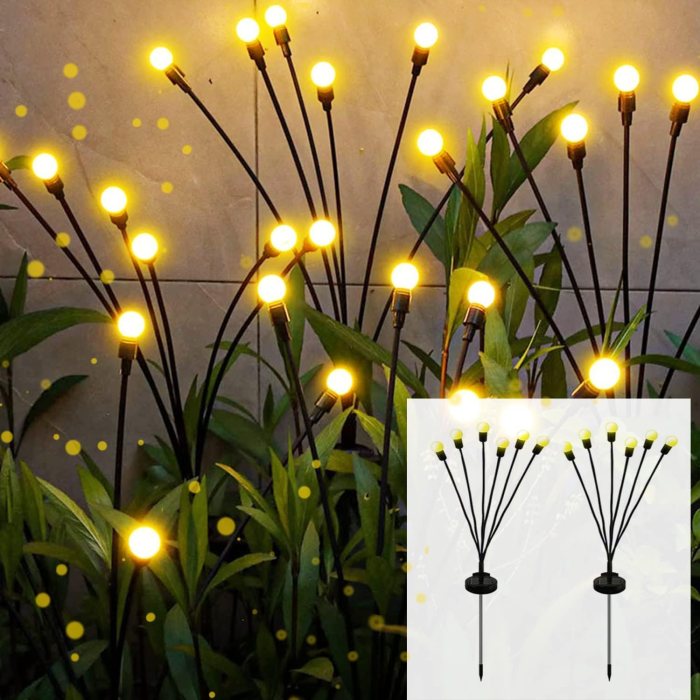
Japanese outdoor lighting design prioritizes harmony with the natural environment, reflecting the country’s deep-rooted appreciation for nature. This approach extends to solar lighting, emphasizing subtle illumination that complements rather than overwhelms the landscape. The integration of solar technology with traditional Japanese aesthetics creates a unique blend of modern functionality and timeless beauty.Japanese garden design principles emphasize simplicity, natural materials, and a sense of tranquility.
Solar lighting fixtures are designed to integrate seamlessly with these principles, utilizing natural materials like wood, stone, and bamboo to create a cohesive aesthetic. Subtle, diffused light sources are preferred, avoiding harsh glare and promoting a serene ambiance.
Principles of Japanese Garden Design
Japanese gardens, often incorporating elements of Zen Buddhism, prioritize balance and harmony. They typically employ carefully curated spaces, focusing on natural elements like water features, rocks, and plants. The goal is to create a miniature landscape that evokes a sense of peace and contemplation. These principles are central to the integration of solar lighting, which aims to enhance, not detract from, the garden’s natural beauty.
Light is carefully orchestrated to highlight key features, enhancing the overall aesthetic rather than simply illuminating the space.
Natural Materials and Subtle Lighting
The use of natural materials is crucial in achieving the desired aesthetic. Solar lighting fixtures are often crafted from wood, stone, or bamboo, echoing the natural elements found in traditional Japanese gardens. The materials are chosen for their inherent beauty and ability to blend seamlessly with the surrounding environment. Subtle lighting, employing warm, diffused light, emphasizes the texture and form of the natural elements, creating a calming and inviting atmosphere.
This approach ensures that the light serves as a subtle accent, rather than a dominating feature.
Wabi-Sabi and Solar Lighting Fixtures
The concept of “wabi-sabi,” a Japanese aesthetic philosophy, emphasizes the beauty of imperfection and impermanence. It embraces the natural beauty of things as they are, with their inherent flaws and irregularities. Solar lighting fixtures designed with a wabi-sabi approach incorporate imperfections in materials and design. For example, a solar lantern made from weathered wood, with slightly uneven edges, would embody this aesthetic, reflecting the natural beauty of the material’s age and history.
The light from such fixtures enhances the perceived beauty of the flaws and irregularities, creating a unique and captivating visual experience.
Examples of Successful Installations
Numerous installations successfully blend solar lighting with traditional Japanese aesthetics. One example might be a garden path illuminated by solar-powered lanterns made of polished stone, their subtle glow enhancing the path’s texture and the surrounding greenery. Another example might be a Zen garden where strategically placed solar spotlights highlight the carefully arranged rocks and moss, casting soft, ambient light that enhances the tranquil atmosphere.
These examples demonstrate how solar lighting can be a powerful tool for creating a harmonious and aesthetically pleasing outdoor space that deeply resonates with Japanese design principles.
Safety and Regulations

Japanese solar outdoor lighting, while offering aesthetic and energy-efficient solutions, necessitates careful consideration of safety protocols. Compliance with regulations is crucial to prevent accidents and ensure the longevity of these systems. The safety features of the lighting systems, combined with adherence to local codes and standards, contribute to a secure and reliable outdoor environment.
Safety Concerns
Solar outdoor lighting, like any electrical system, presents potential hazards if not properly designed and installed. These hazards include electrical shocks, fire risks, and potential injuries from falling or damaged components. Furthermore, the placement of the lighting fixtures, particularly in high-traffic areas or near vulnerable populations, requires careful consideration of potential tripping or entanglement risks. The interaction of the lighting with other elements, such as trees or landscaping, must be assessed for potential hazards as well.
Regulations and Standards
Japan’s stringent building codes and safety standards encompass solar outdoor lighting. Compliance with these standards ensures the systems are safe and reliable for long-term use. Specific standards cover materials, electrical connections, and installation procedures. These regulations are vital for protecting users and preventing incidents.
Addressing Safety Issues in Design and Installation
Proper design and installation mitigate safety risks. Using appropriate materials, such as weather-resistant and non-flammable components, is essential. Adequate grounding and insulation are critical to prevent electrical hazards. The installation should also consider the location’s unique conditions, ensuring the lighting fixtures are securely mounted and accessible for maintenance. Clear signage indicating the presence of the lighting and potential hazards is also a critical safety consideration.
A detailed risk assessment, factoring in the specific environment, should be carried out before installation.
Summary of Safety Standards and Regulations
| Safety Standard/Regulation | Description | Examples of Compliance |
|---|---|---|
| Building Codes (e.g., Fire Safety Standards) | Cover electrical wiring, material flammability, and installation procedures. | Using non-flammable materials for housings, proper electrical grounding, and securing fixtures to prevent falls. |
| Electrical Safety Standards (e.g., JIS standards) | Specify insulation, grounding, and electrical connections for safety. | Using insulated wiring, correctly sizing and installing fuses, and ensuring proper grounding. |
| Local Ordinances | May include specific requirements for lighting placement, signage, and maintenance procedures in certain areas. | Complying with height restrictions, ensuring sufficient spacing between fixtures and obstacles, and providing clear signage for the lighting system. |
| Product Safety Standards | Encompass the safety of the materials and components used in the design. | Utilizing certified and tested materials, ensuring product compliance with relevant standards, and incorporating safety features in the design. |
Cost Analysis and Return on Investment
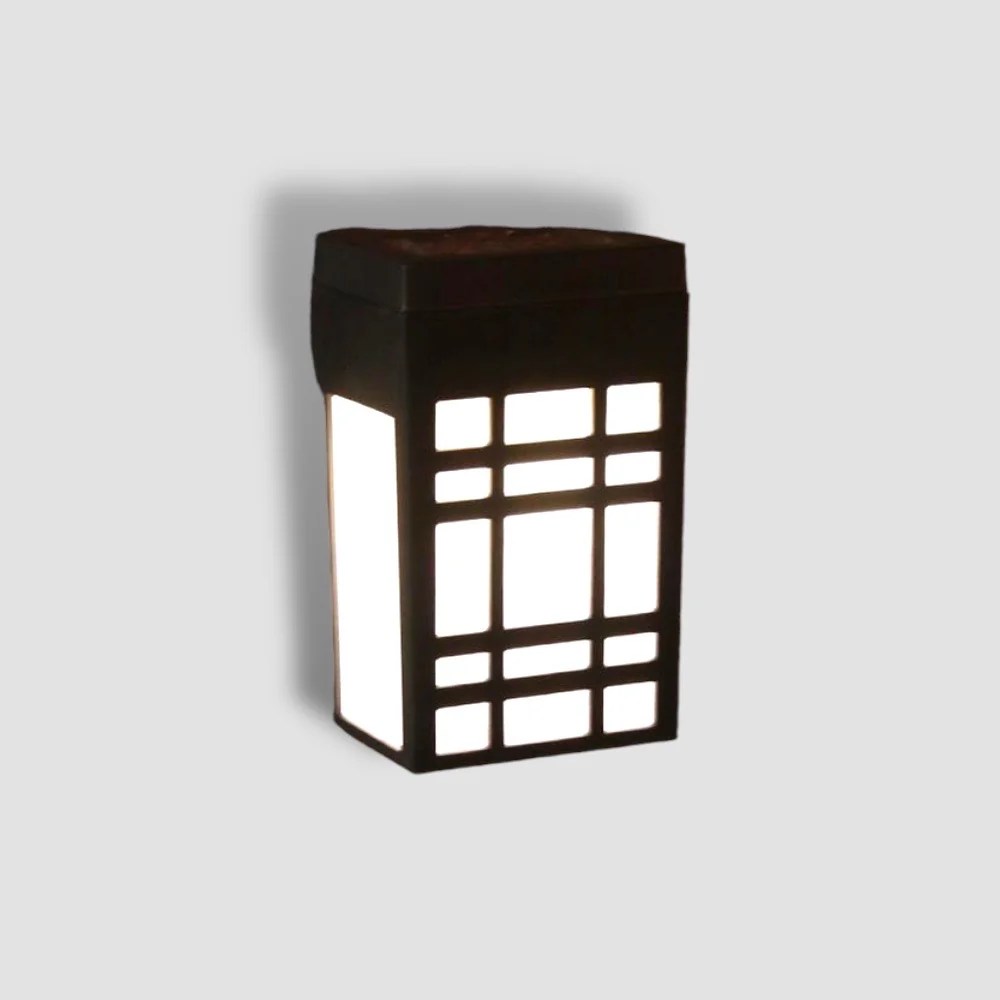
Japanese solar outdoor lighting offers a compelling alternative to traditional options, but its cost-effectiveness hinges on careful consideration of upfront investment and long-term savings. Factors like installation complexity, component quality, and energy efficiency play crucial roles in determining the overall value proposition. Understanding the potential return on investment (ROI) and payback periods is essential for making informed decisions.The cost-effectiveness of solar outdoor lighting is intricately linked to the specific system chosen.
A comprehensive analysis considers not only the initial purchase price but also ongoing maintenance and potential energy savings over the system’s lifespan. The ROI calculation requires a thorough understanding of the projected energy consumption and the long-term cost of electricity.
Factors Influencing Installation Costs
Installation costs for solar outdoor lighting systems vary significantly based on several factors. The complexity of the installation site, the scope of the project, and the chosen system configuration all play a crucial role. Geographical considerations, such as terrain and access, can significantly impact labor costs.
- Site Complexity: Difficult terrain, limited access, or the need for specialized wiring or mounting structures will invariably increase installation costs. For example, installing lights on a steep hillside will be considerably more expensive than installing them on a flat surface.
- System Scope: Larger projects with numerous fixtures and intricate designs will demand more labor and materials, consequently driving up the overall installation cost. This is especially true for systems that integrate smart lighting controls or other sophisticated features.
- Component Quality: Choosing higher-quality components, such as solar panels with superior efficiency ratings or robust fixtures with extended warranties, may result in a higher initial investment but can translate to reduced long-term maintenance costs and improved longevity.
- Labor Costs: Variations in labor costs across different regions and contractors significantly impact the final installation price. Local market conditions, licensing fees, and contractor experience are critical factors to consider.
Cost Breakdown by Lighting Type
The cost of solar outdoor lighting varies based on the specific type and features. A comprehensive breakdown helps in comparing different options.
| Lighting Type | Typical Cost Components | Estimated Cost Range (JPY) |
|---|---|---|
| LED Path Lights | Solar panels, LED lights, mounting hardware, wiring | ¥10,000 – ¥30,000 per light |
| LED Wall Packs | Solar panels, LED lights, mounting brackets, wiring | ¥20,000 – ¥60,000 per unit |
| Solar Garden Spotlights | Solar panels, LED lights, mounting hardware, wiring, decorative features | ¥15,000 – ¥45,000 per light |
| Integrated Solar Landscape Lighting Systems | Solar panels, LED lights, control systems, mounting hardware, cabling | ¥50,000 – ¥200,000+ per system |
Return on Investment (ROI) and Payback Periods
Estimating the ROI and payback period requires careful consideration of factors like energy savings, electricity costs, and the system’s lifespan.
- Energy Savings: Solar outdoor lighting systems generate savings by reducing or eliminating reliance on the electric grid. Significant energy savings directly contribute to a shorter payback period. In areas with high electricity costs, the ROI is more substantial.
- Electricity Costs: Local electricity costs play a significant role in determining the financial benefits of solar lighting. Higher electricity rates translate to more substantial savings and a faster ROI.
- System Lifespan: The projected lifespan of the solar lighting system is a crucial factor in ROI calculations. Systems with longer warranties and expected longevity will offer a greater return on investment over time.
- Example Scenario: A residential property with existing high electricity bills might see a payback period of 3-5 years for a solar lighting system. The precise payback period will depend on the specific system, local electricity rates, and installation costs.
Future Trends and Innovations
Japanese outdoor solar lighting is poised for significant evolution, driven by a confluence of factors, including the nation’s commitment to sustainability, evolving aesthetic preferences, and the rapid advancement of smart technology. This transformation will see a move beyond simple illumination towards integrated systems that seamlessly blend functionality with the surrounding environment, echoing Japanese design principles.The future of solar outdoor lighting in Japan will be characterized by an increased focus on energy efficiency, aesthetic integration, and smart system compatibility.
This will translate to innovative designs that are both visually appealing and environmentally conscious, addressing the need for sustainable and adaptable solutions.
Emerging Trends in Solar Outdoor Lighting Technology
Japanese consumers increasingly prioritize sustainability and aesthetics in their choices. This translates into a demand for outdoor lighting solutions that are not only functional but also aesthetically pleasing, seamlessly integrating with the surrounding landscape. The emphasis on minimal design, natural materials, and harmony with nature will continue to influence the development of solar-powered outdoor lighting.
Potential Innovations in Materials and Design
Advancements in materials are expected to play a key role in the evolution of solar outdoor lighting. Researchers are exploring new polymers and composites that offer enhanced light output and durability while maintaining a light weight. This will allow for innovative forms and designs, potentially incorporating bio-based materials and recycled components to reflect Japanese environmental consciousness. New light-emitting diodes (LEDs) with higher efficiency and tunable color temperatures will enable greater customization of lighting ambiance, enabling lighting designers to match the light to the specific setting.
This will lead to the development of more nuanced and sophisticated lighting schemes.
Potential Innovations in Energy Storage
The efficiency of energy storage is critical for ensuring reliable operation of solar outdoor lighting, especially in regions with fluctuating sunlight. Further advancements in battery technology, such as solid-state batteries, are expected to increase energy density and lifespan, extending the operating time of the fixtures and potentially reducing reliance on grid-connected backup systems. This is crucial for maintaining consistent illumination throughout the night.
Further, the integration of advanced charging algorithms will optimize energy harvesting and maximize battery life. For example, smart charging systems can adjust charging rates based on real-time solar irradiance data, leading to greater efficiency and minimizing battery wear.
Potential Advancements in Integrating Solar Lighting with Smart Home Systems
The integration of solar outdoor lighting with smart home systems will be a significant driver of future development. Homeowners will be able to remotely control lighting levels, schedules, and even color temperatures through smartphone apps. This will allow for dynamic lighting scenarios, adjusting to weather conditions, time of day, and even the presence or absence of people. Further, these systems can be linked with security systems, allowing for automated activation during periods of motion or potential intrusion.
For example, a system could automatically adjust lighting levels based on the presence of family members or guests, providing a welcoming and secure ambiance.
Forecast for Future Advancements in Solar Lighting Technology in the Context of Japanese Aesthetics
The future of solar outdoor lighting in Japan will be heavily influenced by the nation’s unique aesthetic values. Expect to see lighting fixtures that blend seamlessly into the natural landscape, using natural materials and minimalist designs. Color palettes will likely reflect Japanese traditional aesthetics, utilizing soft, warm hues to create a calming and inviting atmosphere. The focus on environmental harmony will be evident in the choice of materials and the overall design language, creating fixtures that respect the surrounding environment.
The incorporation of bio-luminescent or bio-based materials will also emerge, mirroring the nation’s commitment to sustainability and its unique cultural traditions.
Last Recap
In conclusion, Japanese outdoor lighting solar offers a compelling blend of aesthetic appeal and sustainable practices. By understanding the design principles, material choices, and energy efficiency considerations, we gain a deeper appreciation for the artistry and ingenuity behind these systems. The future of solar lighting in Japan promises continued innovation, further integrating sustainable practices into the country’s cultural identity.
